
A Name Built on Listening. A Legacy Built on Progress.
As Audi marks its founding day, the story of the four rings continues to reflect a belief that progress begins with listening and is defined by what comes next.
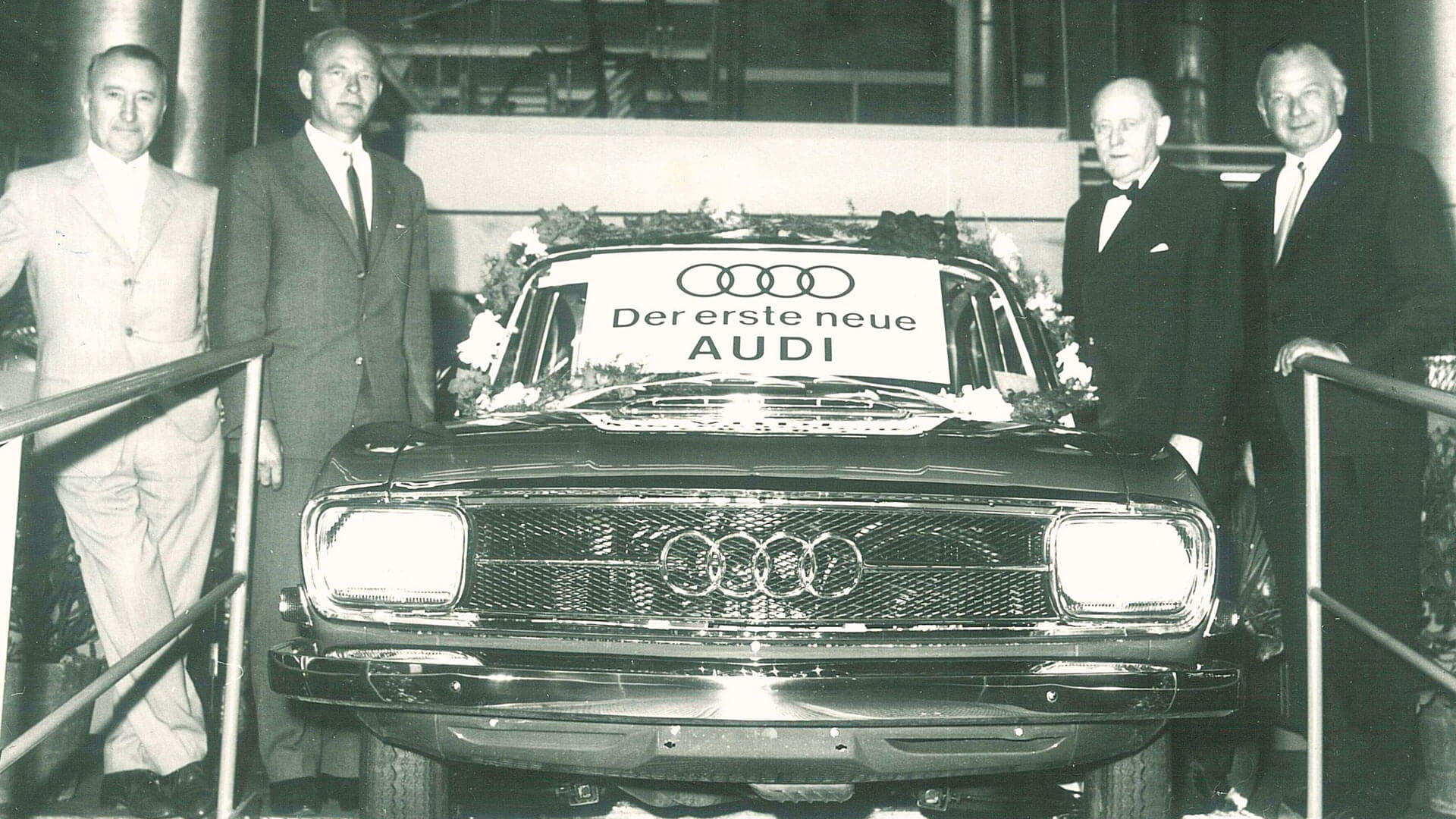
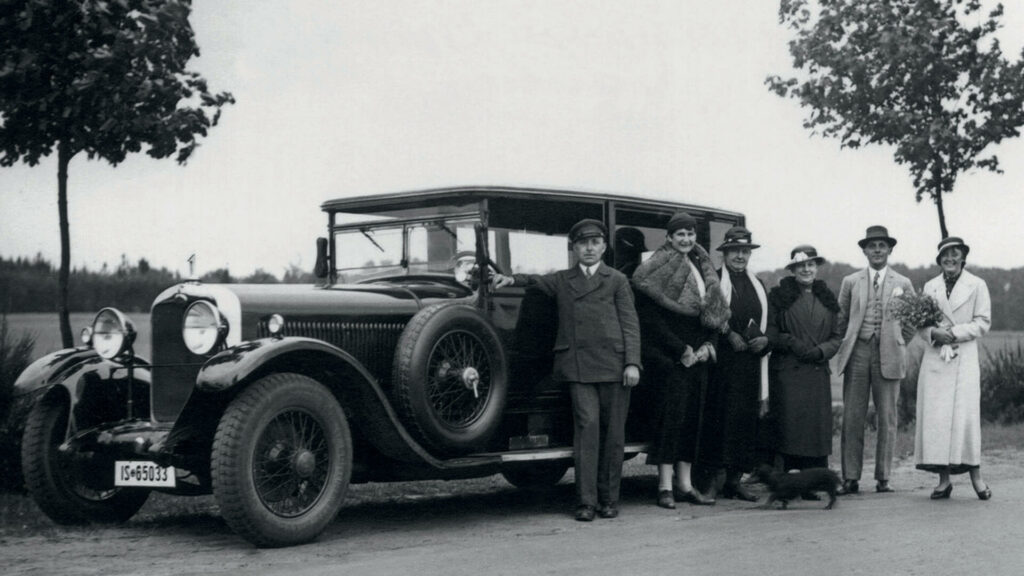
On 16 July 1909, a new name entered the automotive world. Audi, taken from the Latin translation of August Horch’s surname, began with a word that meant “listen”. It was a fitting origin for a brand that would go on to define progress not by volume, but by attention to engineering, to design, to the road, and to the people behind the wheel.
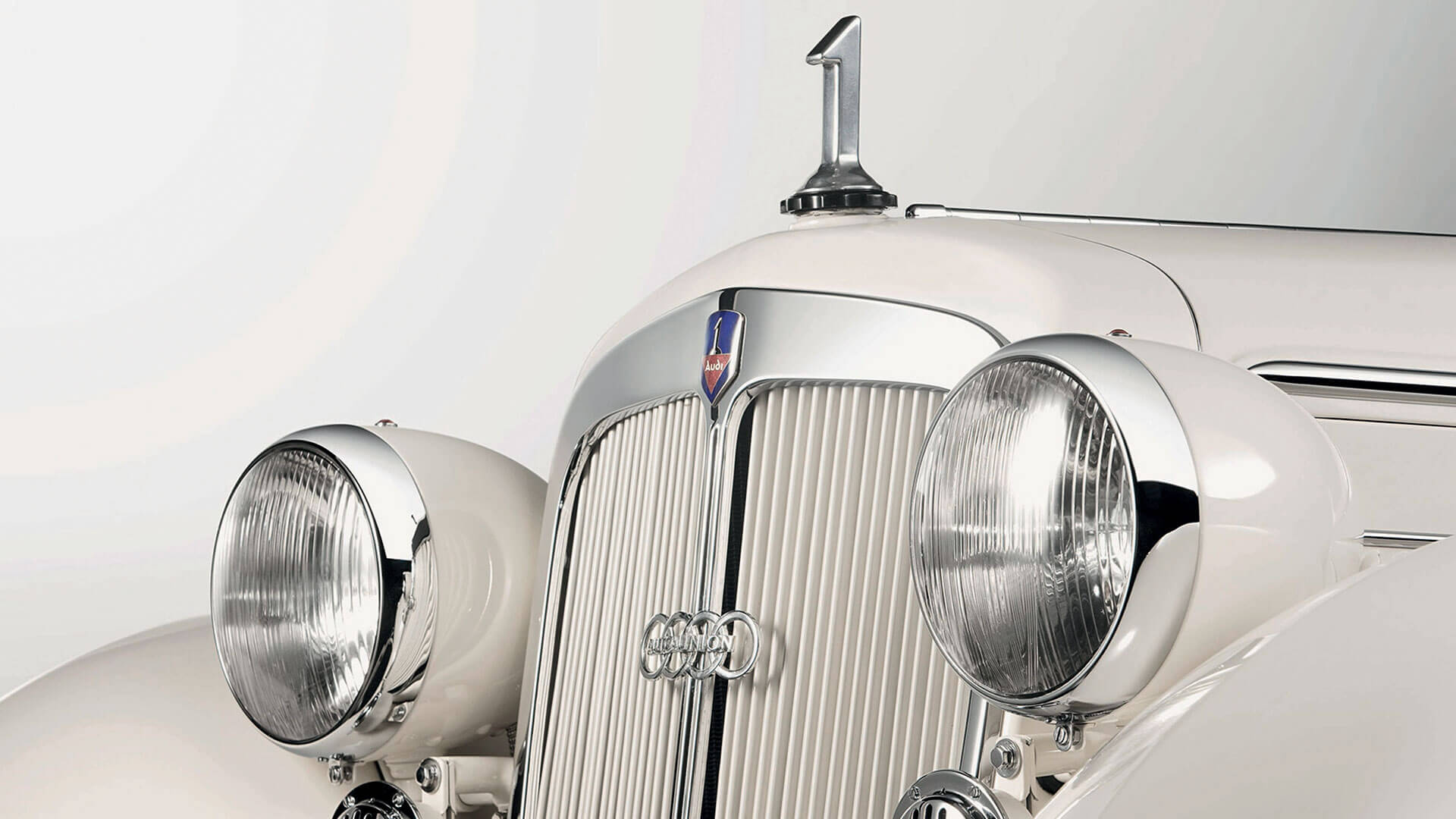
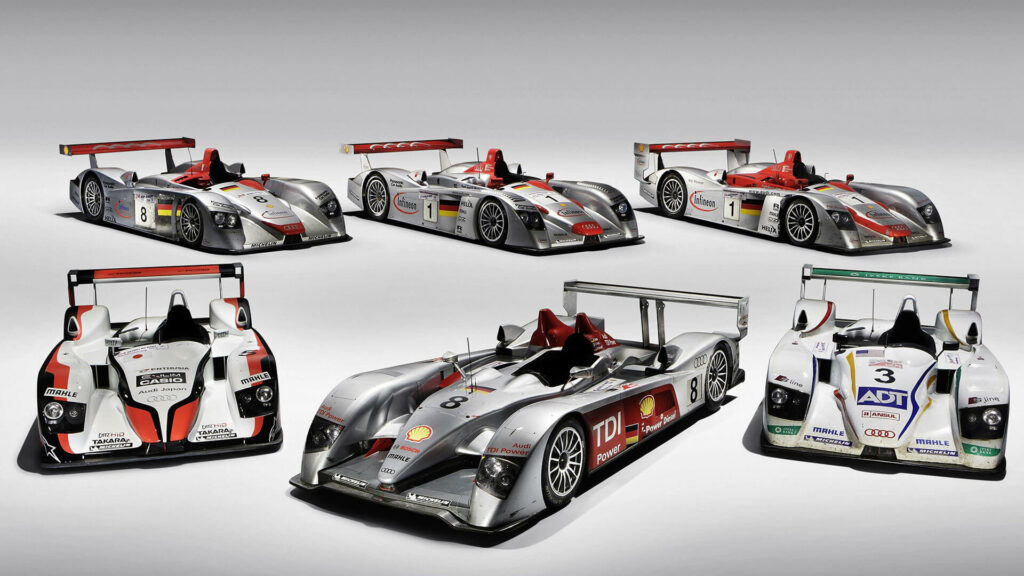
Audi’s history has never been about standing still long enough to be admired. Its reputation was built through movement. Early victories in endurance events gave the brand credibility at a time when reliability was still something manufacturers had to prove. Later, Audi would help normalise ideas that now feel instinctive, from left hand drive to a more intuitive driving layout. The details were technical, but the intent was simple: make the experience of driving feel more precise, more natural and more advanced.
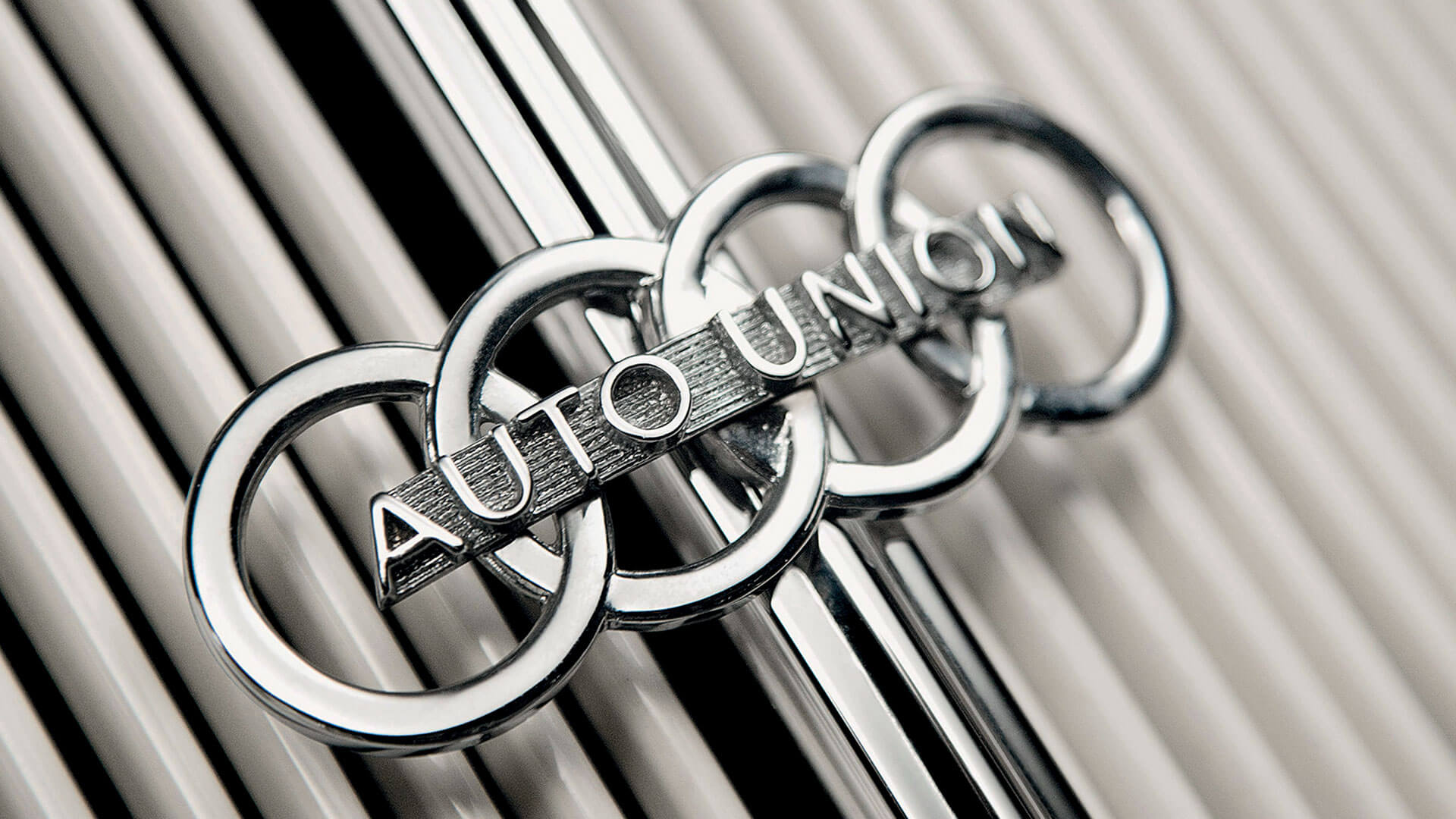
The four rings, introduced through the formation of Auto Union in 1932, gave that thinking its most enduring symbol. Each ring carried the identity of a different marque, but together they became something stronger than the sum of their parts. Over time, the emblem came to represent a particular kind of confidence. Quiet at first glance, unmistakable once understood.
In January 1971, that confidence found its words. Vorsprung durch Technik was introduced as Audi’s new advertising slogan at a moment when the brand’s model range was defined by technical breadth and ambition. Translated as progress through technology, the line did not invent Audi’s philosophy so much as give it a name. It carried forward the spirit behind the brand’s beginning, the idea that listening closely should lead to building better, and that progress should be proven through the way a car feels, moves and responds.
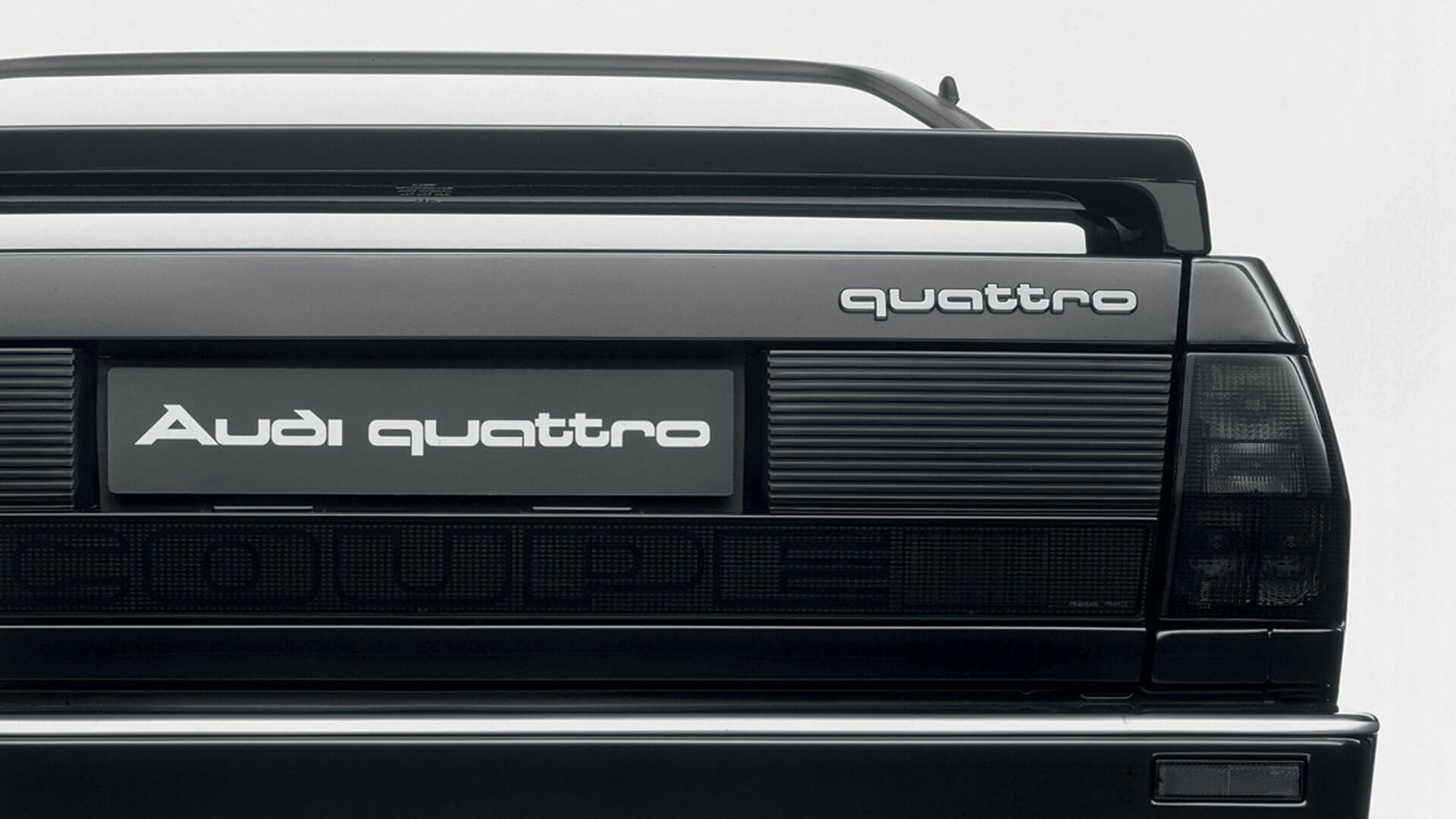
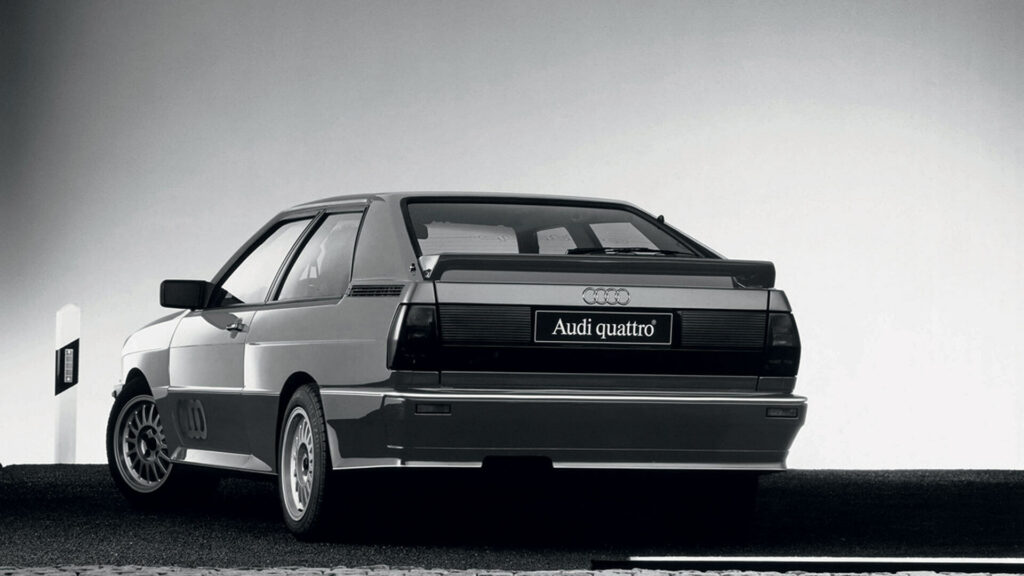
That philosophy has defined some of Audi’s most important moments. quattro changed the perception of performance by proving that power meant little without control. The Audi A8 brought aluminium construction into the luxury segment with conviction. The TT showed how design could become a cultural object without losing technical discipline. More recently, Audi’s electric models have carried the same thinking into a new era, where progress is measured through intelligence as much as power, while concepts like the Audi Nuvolari continue to hint at how that future might take shape.
For Audi Middle East, this story has a particular resonance. The region has always understood cars as more than products. They are expressions of taste, ambition and engineering appreciation. Customers here look closely. They value the sound of a performance model, the precision of a quattro system, the stance of a design icon and the thinking behind a new technology. In that sense, the Middle East is not simply a market for Audi but a place where the brand’s deeper qualities are recognised.
That is what makes Audi Founding Day feel relevant today. It is not a pause for nostalgia, nor a look back for its own sake. It is a reminder that the strongest automotive brands are built on ideas that remain useful. Listening. Improving. Refining. Moving with purpose.
More than a century after its founding, Audi’s name still carries the meaning it began with. The brand listened first, then built. The four rings have carried that principle through generations of change, and across the Middle East, that same idea continues to feel alive on every road where progress is not just seen, but felt.










New Audi RS 5 Pre-Orders Open Across the GCC
Audi Sport’s first high-performance plug-in hybrid delivering 639 hp (470 kW) and 825 Nm
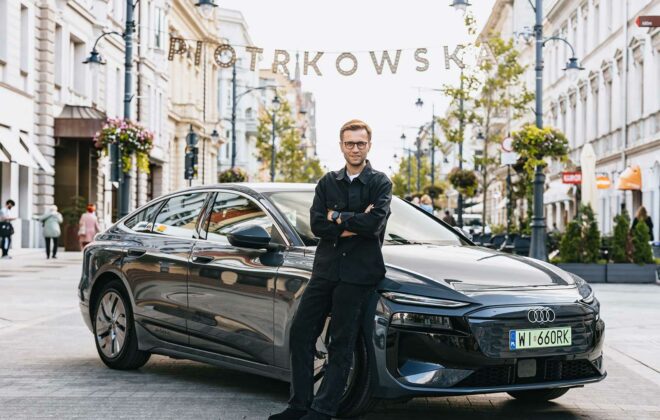
Miko Marczyk sets a Guinness World Record in the Audi A6 Sportback e-tron
Miko Marczyk sets a Guinness World Record in the Audi A6 Sportback e-tron